
 Before we go further in answering this question, we want to make sure we know what you mean by “air filters.” If you’re referring to the air filter on your HVAC cabinet, the one you’re supposed to change every one to three months, then you don’t have an actual air cleaning system of any kind in place. This filter isn’t in place for better indoor air quality but to protect the interior of the HVAC system from dust and debris. The type of air filters you need for improved indoor air quality are specialized air filtration systems, and that’s something you can call us for. These filters are the best place to start when you’re looking to improve indoor air quality for your house.
If you already have a set of these types of filters, then it does make sense for you to wonder if they’re enough. Maybe you need an air purifier in Alachua, FL for the best IAQ.
 The air quality in your home is probably worse than you would like it to be. We know this because most homes in the US suffer from poor indoor air quality. How bad is it? The air indoors is two to five times worse than the air outside on average. Your home’s air may be filled with bacteria, mold spores, volatile organic compounds (VOCs), allergens such as pollen and dander, odor molecules, and much more that you don’t want.
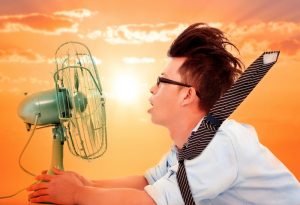 Florida is notorious for its high humidity, and we can expect to see relative humidity levels over 60% on most days, which is the point where the moisture in the air will have a negative impact on comfort. When you combine relative humidity above 60% with days above 90°F, it can make it difficult to scrape through the day, even with the best and most reliable air conditioning system.
 You’re staying indoors much more these days. Probably much more than you ever expected or ever wanted. So it’s a good time to talk about indoor air quality—starting with the bad news.
 If you found your way to this blog, it’s probably because you know your house, like many houses in Florida, has poorer air quality than you would like. Homes today are often built so tightly that there is little chance for the circulation of fresh air, and even less chance in a warm climate like ours.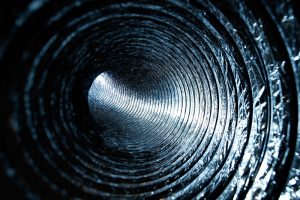
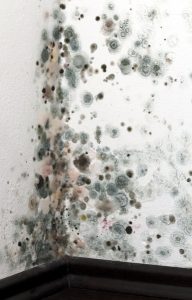 The term black mold is one homeowners never want to hear. It’s one of the scariest possibilities for a house in a place like Florida, where the damp and often warm weather makes it easy for mold to start developing in parts of the house. Mold of any kind is unpleasant to look at and creates bad odors. Black mold, however, presents a health threat to the people in a household.
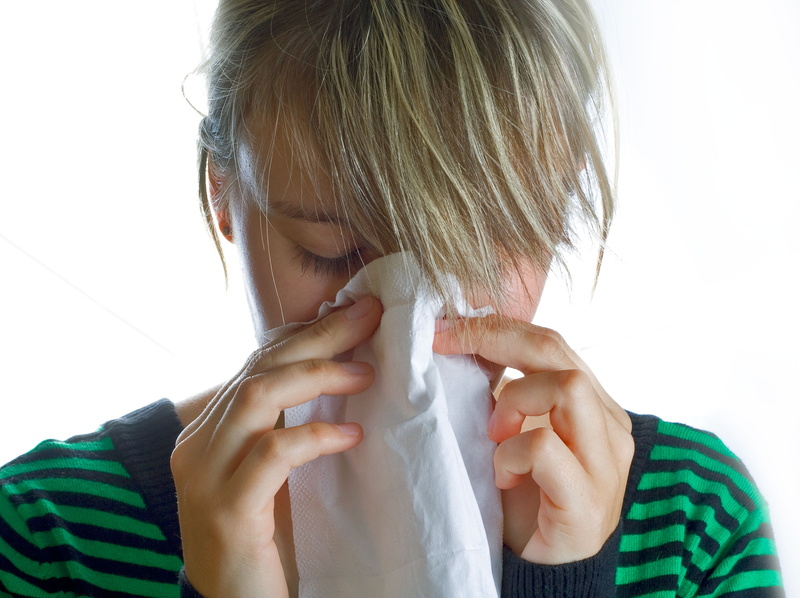 One of the biggest problems homes in Florida deal with is humidity creating mold and mildew. While mildew is an unpleasant-looking nuisance capable of damaging wood and drywall, mold can present a more serious hazard—toxic mold spores.