
 Summer is here, and you’re planning a summer trip. Although you have plenty on your mind about what to pack and how to plan, there are a few things at home you’ll need to think about before you go. One of these is your air conditioning in Lake City, FL. Is it better to shut the entire system off while you’re on the trip to save energy? Or should you let it stay on?
At first, it sounds odd to leave the AC on while you’re away from your home for more than a day. That’s just a waste of energy when nobody is in the house to enjoy the cooled air. If saving energy is your main concern, then shutting off the air conditioner is the best choice. However, in many situations, we recommend keeping the air conditioning system on—although with the thermostat at a higher temperature.
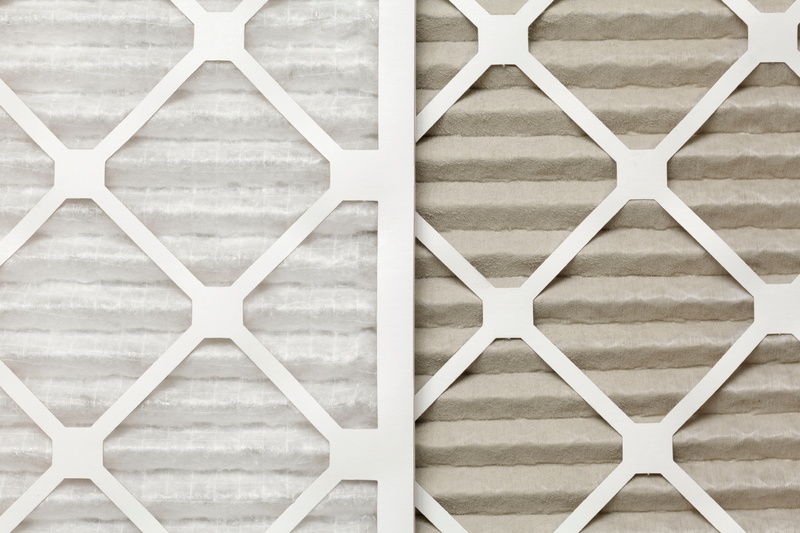
 It’s time to get down to the nitty gritty of your air conditioning system. It’s about to shoulder an immense amount of work as the hot and humid season in Florida settles in, and you don’t want it to go up against the heat without the proper preparations.
 The time is here once again—time to schedule your
 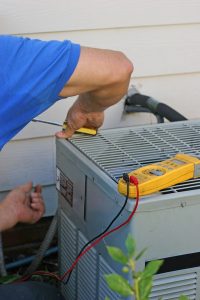 Most HVAC contractors recommend their customers schedule maintenance for their air conditioning systems during the spring. This fits the maintenance in at an ideal time, when the weather is starting to warm up but isn’t yet warm enough to make an AC necessary. HVAC contractors are less busy in this period, making scheduling simple.
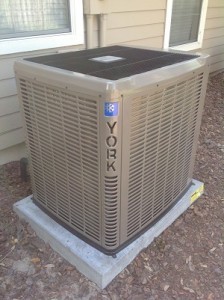 Although we experience some wet and cold days during the winters in North Central Florida, we also still have hot days. Air conditioners are expected to work throughout the year around here. That means you need to make sure your home’s AC is prepared to get through each season. The biggest concern is summer, which is why we stress having professional maintenance done in the spring, right before the period when the AC will run the most.
 Corrosion is a major enemy of most metal devices and appliances. With air conditioners, corrosion along the evaporator or condenser coils is responsible for 40% of system failures. Corrosion can happen quickly and may result from years of moisture exposure.
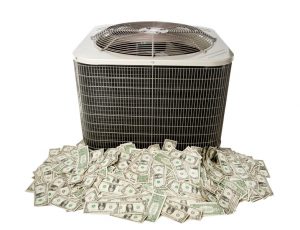 Short answer: Probably not. You can lower them.
 Temperatures are rising in Florida, but the rain is also falling, so we aren’t quite into the full heat of summer yet. Your utility bills won’t show the price spike you expect when your air conditioning system starts running on a regular basis.
 We often recommend UV air purifiers to our customers who are looking for the best in indoor air quality. UV air purifiers use the power of ultraviolet radiation, the same energy that comes from the UV rays in the sun, to kill organic pollutants moving through a home’s HVAC system. This includes bacteria, germs, viruses, and mold spores. UV air purifiers are especially helpful for the Florida climate, which is humid enough to make it easy for many unpleasant organic pollutants to thrive. Mold in particular is a problem that can get into many ventilation systems, where it not only releases unhealthy mold spores but can create damage to the ductwork.