
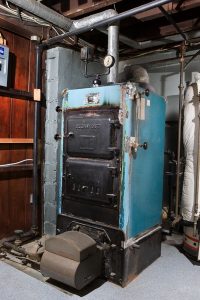
 One of the best ways to tell when a heating system is ready for a replacement is basic age. Each heater comes with a manufacturer’s estimated service life. Once the system is beyond that age, we advise you to think about replacing it, even if the unit still seems to function well. It doesn’t mean you should automatically replace it. But it’s time to ask yourself serious questions about the heater’s performance so you’ll know when to pull the trigger on a new system.
Since it’s now fall and you’re preparing for cooler weather, it’s the right point to address the furnace in your home. If you have a furnace that’s older than 15 years (the usual estimated service life for a gas furnace), there are a few important things for you to know.
 If you found your way to this blog, it’s probably because you know your house, like many houses in Florida, has poorer air quality than you would like. Homes today are often built so tightly that there is little chance for the circulation of fresh air, and even less chance in a warm climate like ours.
 September is coming to a close, and hurricane season along with it. As the evacuation orders lift and the weather becomes a little less aggressive, you may consider giving your AC system a short break.
 In the Florida fall weather, home air conditioners still put in plenty of work—and sometimes they’ll hit their limit and need
  A problem our technicians often address in air conditioning systems is short-cycling. This is when an air conditioner becomes trapped in the start-up cycle so it doesn’t complete a regular cycle. The thermostat activates the compressor to begin cooling down the house, but for some reason, the compressor shuts down early. Soon after, the compressor starts again, only to shut down early once more… and the process repeats.
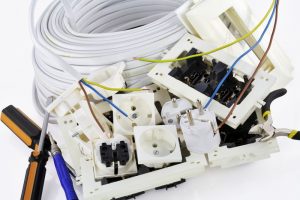 The “no cool” is the most common air conditioning emergency call we get. Our technicians are available 24 hours a day, 365 days a year to rush out to help with whatever has caused and AC to stop doing its job.
 Nobody likes talking about mold in homes. It’s icky and unpleasant. And, in the case of black mold, it’s downright dangerous. Unfortunately, living in a humid place like Florida means we have to confront the reality of mold and mildew sometimes cropping up in our homes. A good defense is the best way to keep these troubles away.
 Mid-summer heat can be tough to bear in North Central Florida. The combination of high temperatures and high relative humidity means sweat and plenty of it. Fortunately, if your house has a quality central air conditioning system able to handle the high temperatures, you’ll have a fantastic oasis to escape from the worst conditions of the summer.
 It’s midday during the hottest part of the summer in Florida. Outside the temperature is above 90°F the relative humidity is more than 80%. And yet we’re recommending you raise the setting on your thermostat? You might think we’ve lost our minds.
 Summer is here, and you’re planning a summer trip. Although you have plenty on your mind about what to pack and how to plan, there are a few things at home you’ll need to think about before you go. One of these is your