
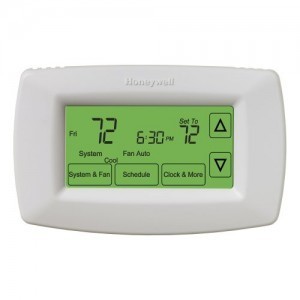
 Before we go further in this post, we want to be clear: we are not recommending you attempt to repair your furnace on your own. There is a big difference between the troubleshooting steps outlined below and actually taking out tools and tinkering around inside your furnace. Anything more complicated than the steps we recommend is something to leave to a certified HVAC professional. Not only will the professional know how to accurately diagnose and repair the furnace, they’ll be able to do it safely. Amateur work of any kind on a furnace can lead to dangerous situations.
Now that we’ve got that cleared up—what can you do when your furnace isn’t working before you call us for heating repair in Alachua, FL?
 If you’re asking this question, then you’re doing a good job of paying attention to the behavior of your home’s heating system. Detecting early indications of malfunctions in a heater is essential to ensuring you arrange for repairs to fix the problem when it’s still small and to avoid potential health hazards. Odd sounds, strange smells, high bills—all are warnings you may need professional service for your
 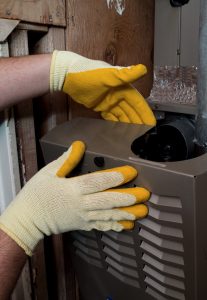 The furnace may be the most common heating system in the country, but it’s still got its share of problems. In truth, furnaces only have a lifespan of about 10-15 years, at least if you expect it to run efficiently. Then again, heaters in Florida do not get as much of a workout as they do in other parts of the country, so it’s not too surprising to have heaters last longer than expected.
 In this part of the country, we don’t see a lot of gas heaters. Electric furnaces do a fine job of warming up Florida homes (although we do recommend a heat pump to the energy-conscious Floridian instead). A major benefit to electric furnaces is that they are so durable, which is why it may be surprising when you notice yours has run into trouble, or won’t start up at all.